
Blog
Restaurant Packaging System Buying Guide

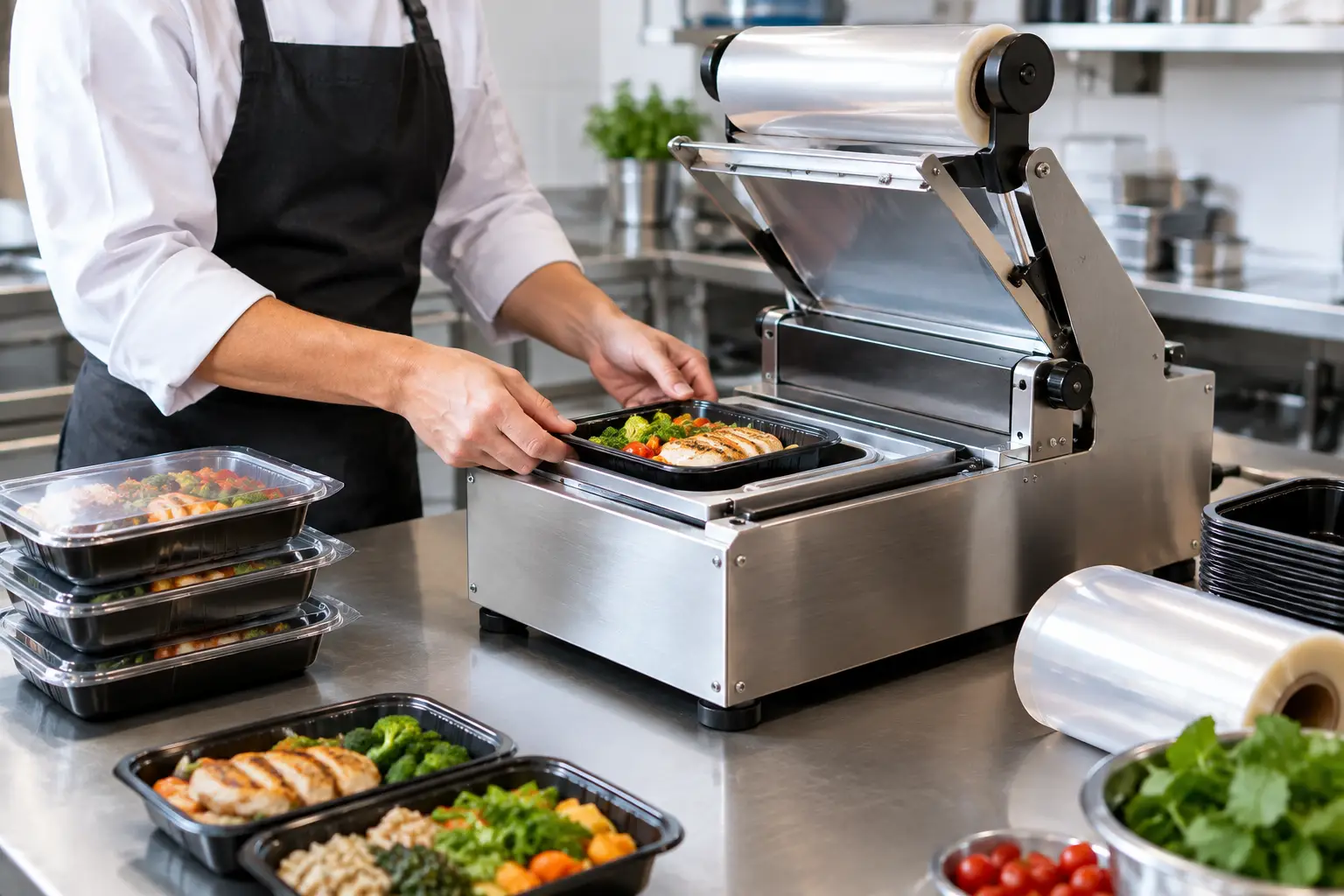
A leaking delivery tray, a warped lid, or a film that will not seal properly can turn a well-run kitchen into a refund and remake problem. This restaurant packaging system buying guide is built for operators who need their packaging to work at production speed, not just look acceptable on a supplier catalog page. SmartPackingUSA helps food businesses match equipment, containers, and sealing materials as one practical system.
Start With the Food and the Production Line
The right packaging system begins with what goes into the tray. Hot prepared meals, chilled meal-prep items, sauced entrees, baked products, and pet food can require different combinations of container material, tray depth, lid style, and sealing film. A container that performs well for a cold salad may not be the right choice for a hot, heavy pasta dish traveling across town.
Map your most common products before comparing machines. Record portion sizes, food temperature at packing, sauce volume, storage requirements, delivery distance, and whether customers reheat the package. These details determine whether you need plastic, sugarcane, cardboard, CPET, or aluminum containers and which sealing approach fits the application.
Also look at when packing happens. A restaurant packing 40 orders during a lunch rush has a different workflow than a commissary preparing 500 refrigerated meals in a production shift. The best purchase supports your actual peak demand while leaving room for growth.
Choose a Complete System, Not Separate Parts
A tray sealer is only as dependable as the tray and film matched to it. Buying a machine from one source, containers from another, and film from a third can create expensive compatibility questions: Does the film seal to this tray rim? Is the tray dimension consistent? Will the seal hold when the food is hot or chilled?
A complete packaging system removes much of that uncertainty. The machine, container, lid, and sealing material should be selected around the same application, dimensions, and output goals. This approach also makes reordering easier because your team knows exactly which packaging components belong together.
For operations using multiple menu formats, consider whether one machine can support interchangeable molds. A changeable mold can allow a business to seal more than one tray size without purchasing separate equipment for every container format. The trade-off is changeover time, so it is best suited to kitchens that can organize production in batches rather than switching tray sizes every few minutes.
Container material affects performance and presentation
Plastic food containers are a practical choice for many chilled and prepared-food applications, offering product visibility and dependable everyday handling. CPET and aluminum containers can suit specific hot-food or reheating needs. Cardboard and sugarcane containers can support businesses seeking a paper-based or bagasse presentation, but material choice still has to match the food, temperature, and selected sealing method.
Do not choose material based on appearance alone. Test how a filled tray stacks, travels, and opens in the customer’s hands. A premium meal deserves packaging that holds its shape, presents the food cleanly, and supports a secure closure from kitchen to destination.
Match Machine Capacity to Real Output
Machine capacity should be evaluated against production rhythm, not the biggest number on a specification sheet. Consider how many trays your team packs during peak periods, how many different tray sizes you run, and how quickly an operator can load, seal, unload, label, and stage finished meals.
Selected SmartPackingUSA tray sealing machine models can achieve up to approximately 600 trays per hour with a single operator, depending on tray size, operator workflow, and production conditions. That level of output can be a meaningful step up for meal-prep businesses, caterers, commissaries, and food manufacturers, but only when the surrounding process can keep pace.
For a smaller restaurant, a compact operation may be the better fit if packaging is completed in short bursts and counter space is limited. For a growing meal-prep brand, investing in higher throughput can reduce bottlenecks and help maintain consistent packing during large weekly production runs. It depends on your order volume, labor availability, and expansion plan.
Ask the right equipment questions
Before purchasing, confirm the tray dimensions the machine is designed to seal, the mold options available, and the material combinations supported. Ask how temperature, sealing time, and pressure are adjusted for your selected tray and film. These controls matter because a clean, repeatable seal depends on using the correct settings for the packaging materials.
Also review the machine’s daily operating demands. Commercial kitchens need equipment that is practical to clean, straightforward for staff to operate, and durable enough for repeated use. Stainless-steel construction, accessible working surfaces, training, warranty coverage, and responsive after-sales support all deserve attention during the buying process.
Plan for Packaging Supply Continuity
An efficient machine cannot solve a packaging shortage. Once you standardize on a tray size and film specification, make sure you can maintain a dependable supply of containers, lids, and sealing materials as order volume grows.
This is particularly important for businesses with branded meals, recurring subscription orders, grocery placement, or wholesale accounts. A packaging change can affect label placement, meal presentation, packing speed, and customer expectations. Keeping the same compatible components in stock protects consistency across shifts and locations.
Bulk ordering can help stabilize inventory, but it should be balanced against storage space and product turnover. Start with a realistic reorder plan based on weekly tray usage, lead time, and a reasonable reserve for high-volume periods. If you are launching a new packaging format, begin with samples and a controlled production test before committing to a large run.
Use Customization When Standard Sizes Create Waste
Standard trays work well for many menus. However, businesses with unusual portions, signature product shapes, multi-compartment meals, or highly branded presentation needs may benefit from custom containers, molds, or branded sealing films.
Customization should solve a clear operating or selling problem. A custom tray may improve portion control, protect a delicate product, make a meal look more premium, or reduce excess headspace. Branded sealing film can strengthen shelf presence and make delivery orders feel more intentional. But custom projects require careful planning around dimensions, order quantities, and production timing.
SmartPackingUSA can support custom-size machine development based on container dimensions, packaging materials, production requirements, and specific application needs. For a growing food operation, that can be more practical than forcing a unique product into a generic package that compromises presentation or efficiency.
Test Before You Standardize
A packaging decision should be proven with the actual food you sell. Run product samples through the proposed system using normal filling temperatures and portion sizes. Check seal appearance, corner adhesion, leak resistance during handling, stackability, and the customer opening experience.
Test the package after refrigeration if meals are stored cold, after a delivery-style trip if the food travels, and after reheating when that is part of the intended use. Include the people who will use the system every day. Kitchen staff often identify workflow issues that are not obvious in a product demonstration.
During the trial, measure more than seal quality. Time the complete task from filling the tray to staging the finished order. Watch for spills, awkward handling, excess film waste, and congestion at the packing station. The strongest system improves both the package and the pace of work.
Build the Purchase Around Long-Term Operations
The lowest initial equipment cost is not always the lowest operational cost. A poorly matched system can lead to film waste, inconsistent seals, damaged food during delivery, frustrated staff, and unnecessary repacking. On the other hand, buying capacity far beyond your needs can tie up budget and floor space.
Choose the system that fits the food you make now, the volume you expect next, and the customer experience you want to protect. Ask for guidance, review compatible components together, and validate the process with samples before finalizing your purchase.
A well-matched packaging system gives your team a repeatable way to send out meals that look professional, travel confidently, and support the next stage of your operation.
