
Blog
Bagasse Versus Plastic Meal Containers Compared

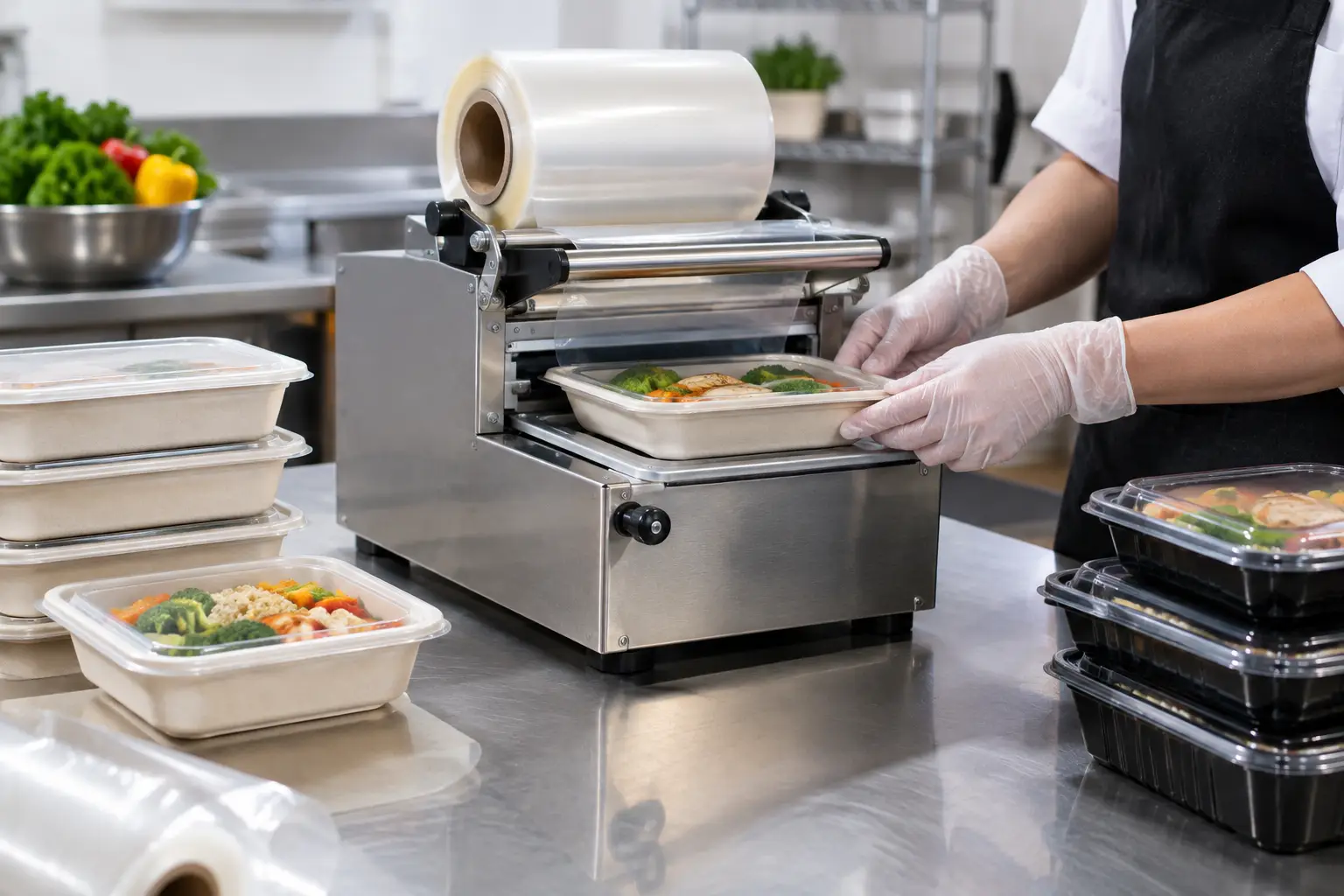
A meal that leaves the kitchen looking sharp can arrive looking careless if the container flexes, leaks, or does not suit the menu. The decision between bagasse versus plastic meal containers affects more than appearance. It influences packing speed, seal consistency, delivery performance, customer expectations, and the materials your team needs to keep in stock. Smart Packing USA helps food businesses evaluate containers as part of a complete packaging system, not as an isolated purchasing decision.
Bagasse Versus Plastic Meal Containers: The Practical Difference
Bagasse containers are molded fiber containers made from sugarcane byproduct. They are commonly selected by restaurants, caterers, meal-prep brands, and grocery programs that want a natural, fiber-based presentation. Their matte finish and neutral color can support an eco-conscious brand message, especially for fresh meals, bowls, and prepared foods.
Plastic meal containers are available in several material types and formats, including clear and colored options. They are widely used when operators need a familiar, durable package with reliable visibility, compartment choices, and consistent stacking. Clear plastic can be especially useful for grab-and-go retail, refrigerated display, and meals where color and ingredient presentation drive sales.
Neither material wins every application. A high-volume meal-prep business may choose plastic for a weekly lineup that needs clear product visibility and dependable stacking, while using bagasse for a premium catering menu or a brand positioned around fiber-based packaging. The best choice starts with the food, the distribution channel, and the sealing process.
Start With the Meal and Its Journey
A container should be selected for the full route from portioning station to customer, not just for how it looks on a packing table. Consider whether food is packed hot, chilled, saucy, oily, heavy, or intended for reheating. Then consider whether the package will be picked up quickly, held in a delivery bag, displayed in a cooler, or transported in bulk for catering.
When bagasse can be a strong fit
Bagasse is often a practical option for businesses that want a substantial, natural-looking meal container. It can work well for prepared meals, side dishes, bowls, and foodservice applications where the package itself is part of the brand experience. The material’s fiber texture can make meals feel less commodity-driven than a standard clear plastic container.
However, operators should evaluate each bagasse tray with the actual menu items they plan to pack. Food moisture, sauce level, storage duration, stacking weight, and transportation conditions all matter. A sample that works for a dry grain bowl may not be the right choice for a heavily sauced entree held for an extended period.
Environmental messaging also requires care. Bagasse is often associated with compostable packaging, but disposal outcomes depend on the specific product, local collection programs, and the facility available to the end user. It is better to communicate material attributes accurately than to make broad claims that customers may interpret differently.
When plastic can be the better operational choice
Plastic containers remain a dependable option for many commercial kitchens because they offer broad format availability and a familiar workflow. Clear containers support fast quality checks. Staff can verify portion appearance, garnish placement, and compartment separation without opening the package. That can reduce handling during high-output production runs.
Plastic may also be a better fit when your menu needs a particular shape, a rigid compartment layout, or a container designed for a specific product line. For operators selling chilled meals through retail coolers, visibility can be a direct merchandising advantage. Customers can see the product they are buying, which matters when competing for attention in a crowded grab-and-go case.
Recyclability varies by plastic type and local infrastructure. The practical question is not simply whether a material is technically recyclable, but whether your customers and local waste stream can handle it as intended. That distinction should be part of your packaging decision.
Sealing Compatibility Is the Decision Many Teams Miss
A container can look right and still create production problems if it is not properly matched to the sealing machine, film, foil lid, and operating conditions. For prepared-food businesses, a secure, consistent seal protects presentation and supports a cleaner handoff during transport.
Tray geometry, rim design, material composition, lid or film selection, and machine settings work together. A change in container material may require a different sealing approach. This is why switching from plastic to bagasse, or introducing both materials into one operation, should involve testing rather than assumptions.
Smart Packing USA supplies tray sealing machines along with compatible containers, sealing films, and foil lids, helping operations build a matched system around their actual packaging requirements. Selected machine models can reach approximately 600 trays per hour with one operator, depending on tray size, operator workflow, and production conditions. That output potential is valuable only when containers feed smoothly, seals repeat consistently, and the team has a practical process for changing formats.
For businesses using multiple menu sizes, custom trays or dedicated product formats, custom-size machine development can also be worth considering. Matching equipment to container dimensions can reduce the compromises that come with forcing a unique package into a standard setup.
Compare Cost as a System, Not a Case Price
The per-container price is visible. The costs created by poor packaging choices often are not. A lower-cost tray can become expensive if it slows packing, requires extra handling, fails to present the food well, or creates more delivery complaints. A premium-looking tray may be worthwhile if it supports a higher-priced meal program and protects a consistent brand experience.
When comparing bagasse and plastic, evaluate the total operational picture:
- Container and lid or film cost per finished meal
- Packing speed and ease of handling for staff
- Seal performance with your current or planned equipment
- Storage space, nesting, and delivery-bag fit
- Product visibility and perceived value at the point of sale
- Supply continuity for the sizes and formats you use most
The right material may differ across your menu. It is common for a business to standardize plastic containers for certain refrigerated or retail-ready items while choosing bagasse for catering, hot food, or a specific sustainability-focused line. Standardization still matters, but it should serve the operation rather than limit it.
Presentation Has a Real Commercial Value
Customers often judge portion quality before they take the first bite. A clean seal, a container that holds its shape, and a format that frames the food well all influence that first impression. Plastic offers visibility. Bagasse offers a different kind of visual signal: natural texture, warmth, and an alternative to conventional plastic packaging.
Think about where customers first encounter the meal. If the product is sold from a refrigerated display, clear plastic may help the ingredients sell themselves. If the meal is handed off in a branded delivery bag or set on a catered buffet, bagasse may better support the experience you want to create. For premium meal programs, branded sealing film can add another layer of consistency without changing the core container format.
How to Make the Right Choice Before You Commit
Do not approve a container from a catalog image alone. Run samples through the same conditions your team handles every day. Pack the actual food at its typical temperature and portion size. Seal it with the intended film or lid, stack it, refrigerate or hold it as needed, and place it in the delivery setup your drivers or third-party couriers use.
Have production staff participate in the test. They will quickly identify issues involving tray handling, fill levels, lid placement, seal-area cleanliness, and storage. Then review the result from the customer’s perspective. Does the meal still look organized? Does the container remain stable? Does the package support the brand promise on the label?
Smart Packing USA can support this evaluation with product samples, container options, sealing materials, equipment guidance, training, warranty coverage, and after-sales support. For operations moving beyond hand-lidding or inconsistent packaging, the goal is a complete system that makes each packed meal look intentional.
The most useful container is the one that performs reliably on your busiest shift, travels well with your food, and helps customers feel confident before they open it. Start with a real-world packaging test, then build the machine, tray, and sealing combination around the results.
