Blog
Custom Packaging That Works on Your Production Line

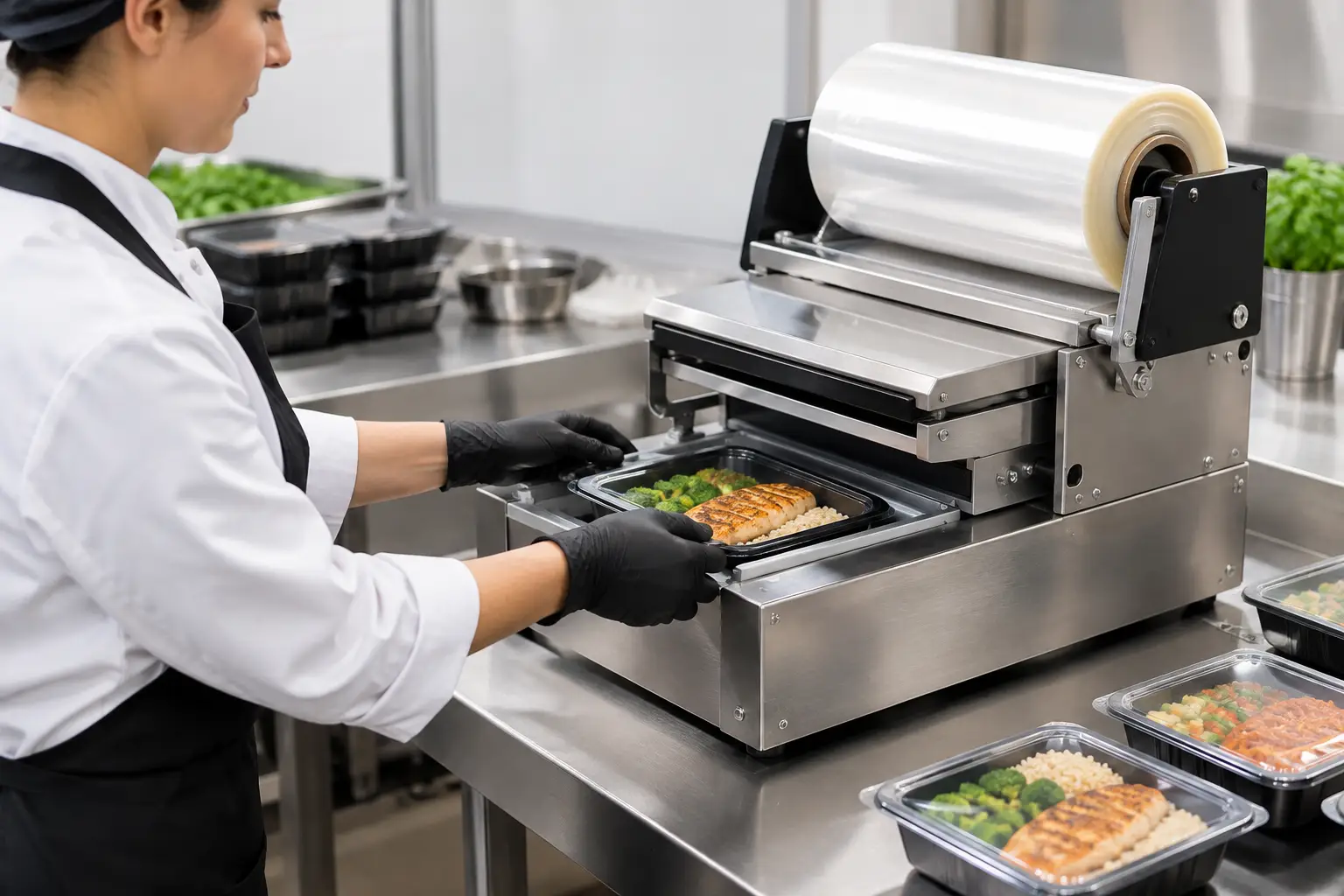
A leaking meal tray, a film that wrinkles at the seal, or a container that does not fit the equipment can slow an entire packing shift. For high-volume kitchens and food producers, custom packaging is not simply a branding decision. It is a production decision that affects how quickly meals move from the line to delivery, how consistently they arrive, and how professional they look in customers’ hands. SmartPackingUSA helps food businesses build packaging systems around the realities of their products, containers, workflow, and output goals.
Custom Packaging Starts With the Production Floor
A package has to work before it can sell. That means the tray must hold the portion properly, the sealing material must match the tray rim, and the equipment must produce a consistent seal during real production conditions. A meal-prep company packing hundreds of refrigerated entrées has different needs than a caterer preparing assorted portions or a pet food producer packaging fresh food in multiple sizes.
The most effective custom packaging projects begin with operational details. Consider the food itself: Is it hot, chilled, frozen, saucy, oily, acidic, or dry? Does it need separate compartments? Will customers reheat it in the tray? Is the package stacked in a delivery bag or displayed in a retail cooler? Each answer influences the most practical choice of container material, profile, lid or film, and sealing approach.
A Custom Tray Is More Than a Different Size
Tray dimensions affect portion control, case packing, storage, and machine setup. A shallow tray may improve presentation for a single-serve entrée, while a deeper format can protect a larger family meal or a layered product. Compartments can keep sides separated, but they also need to suit the food volume and the sealing surface.
SmartPackingUSA supports custom containers and custom molds for businesses that need a specific footprint, compartment layout, or branded packaging format. The goal is not to make packaging different for its own sake. It is to create a container that supports the product and the way your team packs it.
Branding Has to Survive the Supply Chain
A logo on a tray or printed sealing film can make a prepared meal look more established and recognizable. But branding should be planned alongside practical handling. Graphics need to remain clear across repeated production runs, and the package still needs to stack, seal, transport, and open as intended.
Branded sealing films can be especially useful for meal-prep subscriptions, retail-ready food lines, specialty pet products, and growing restaurant brands. They turn the top of every package into a consistent brand touchpoint without changing the food preparation process.
Build the Packaging System, Not a Collection of Parts
Buying a machine from one source, trays from another, and film from a third can create avoidable compatibility problems. Even small differences in rim dimensions, material thickness, or film structure can affect sealing results. When a team is troubleshooting intermittent seal issues during a busy shift, fragmented sourcing becomes expensive in time and wasted materials.
A complete system brings the tray, sealing film or foil lid, and tray sealing machine into alignment. That alignment helps operators work with repeatable settings and gives decision-makers a clearer path when they add new meal sizes or packaging formats.
Choose Materials Around the Application
There is no single best food container material. The right choice depends on the product, customer expectation, reheating needs, production volume, and desired appearance. Plastic trays can be practical for many prepared-food applications. CPET may suit products with particular temperature requirements. Aluminum provides a familiar format for certain foodservice uses, while cardboard and sugarcane options can support businesses pursuing paper-based or bagasse packaging choices.
Material selection should also account for the sealing method. A tray and film must be designed to work together, not merely look compatible. Requesting samples before a bulk order gives your team an opportunity to review fit, appearance, handling, and seal performance with your actual food product.
Match the Seal to the Way Customers Use the Food
A secure seal matters most when meals travel. Delivery brands need packaging that holds up through packing, driver handling, and customer transport. Grocery and retail operators need a clean, consistent presentation across every shelf-facing unit. Caterers may prioritize reliable closure and efficient staging for varied menu items.
Sealing films and foil lids offer different visual and handling characteristics. The correct option depends on the container material, product requirements, opening experience, and the equipment being used. Rather than selecting film by appearance alone, evaluate it as part of the full package.
Select Equipment for Output, Workflow, and Changeovers
The machine should fit the production line you have now while leaving room for the growth you expect. A small restaurant may need dependable tray sealing for a focused takeout menu. A commissary kitchen or meal-prep operation may need a system that supports a faster, more repetitive packing workflow across several shifts.
SmartPackingUSA tray sealing machines are designed for commercial packaging operations and selected models can produce up to approximately 600 trays per hour with one operator. Actual output depends on tray size, operator workflow, product handling, and production conditions. That distinction matters: a published capacity is only useful when it reflects how your team will work in practice.
Stainless-steel construction, adjustable controls, straightforward sanitation, and durable components are practical considerations for busy food operations. So are training, warranty coverage, and access to after-sales support. Equipment is not a one-time purchase when it becomes part of the daily packing routine.
For businesses with nonstandard tray dimensions or a specialized packaging requirement, custom machine development can be the more efficient route. A machine built around the intended container reduces the need to force a product into an ill-fitting standard format.
Plan a Custom Packaging Project Before Ordering at Scale
The strongest projects move from product testing to bulk purchasing with a clear approval process. Start by defining the foods, portion sizes, expected weekly volume, and how the packages will be stored and transported. Then determine whether you need standard trays, custom containers, branded films, or a fully tailored machine-and-material system.
Next, test samples using real portions and real handling conditions. Watch how the tray fills, how the rim stays clean before sealing, whether the package stacks properly, and how it looks after refrigeration, transport, or reheating when applicable. Include the people who will actually run the line. Operators often identify practical issues that are not obvious in a product meeting.
Then set standards for the finished package. A standard can cover fill weight, tray orientation, seal appearance, label placement, and packing sequence. Clear standards improve consistency as you add staff, open a second location, introduce new menu items, or move into retail distribution.
Avoid the Common Custom Packaging Mistakes
The first mistake is designing around appearance alone. A distinctive tray that is difficult to fill, costly to store, or incompatible with the selected sealer can create more problems than value. The second is assuming every container and film combination will seal correctly. Compatibility should be confirmed through samples and testing.
Another common issue is ordering too much before the process is proven. Bulk purchasing can improve supply planning, but it should follow approval of the container, film, machine setup, and production workflow. Finally, do not overlook replenishment. A packaging system only supports growth when trays, films, lids, and related supplies can be planned consistently alongside food production.
When Custom Packaging Is Worth the Investment
Custom packaging becomes especially valuable when your current package creates delays, does not represent your brand well, leaks during transportation, or prevents you from offering the portion formats customers want. It can also make sense when a business is moving from manual closure methods to tray sealing, launching a retail product line, or standardizing packaging across multiple locations.
Not every operation needs a fully custom mold or machine on day one. Some businesses can gain immediate value by selecting a proven tray-and-film combination and adding branded sealing film later. Others need a custom container or machine because the product format is central to the business. The right level of customization depends on volume, differentiation, and operational requirements.
SmartPackingUSA can help evaluate the complete packaging path, from containers and sealing materials to tray sealing equipment, samples, training, and ongoing support. Bring the tray dimensions, food product, target output, and packaging goals to the conversation. A well-matched system gives your team a practical foundation to pack faster, present better, and grow with confidence.
