Blog
Custom Food Packaging Tray Molds That Fit

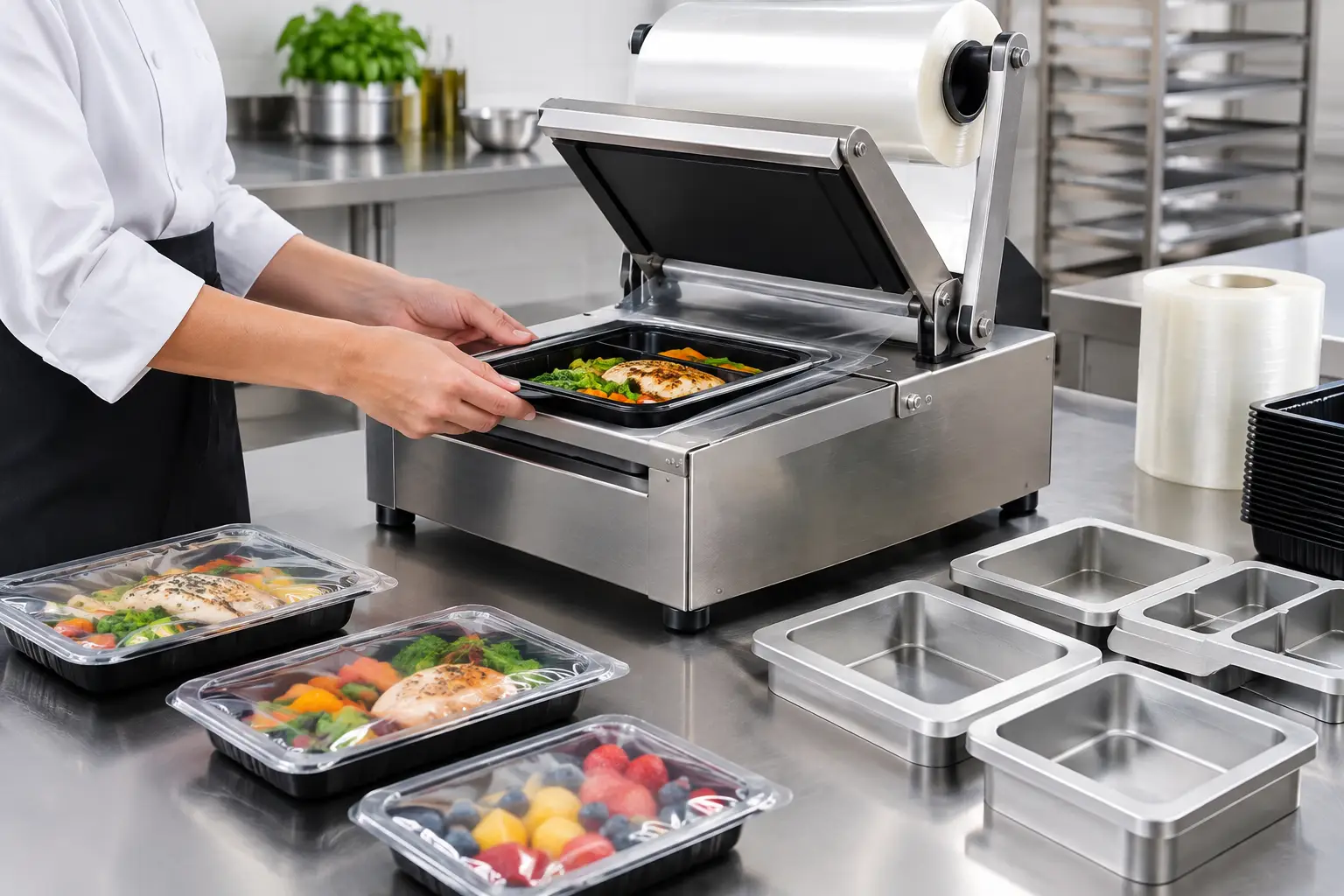
A tray that looks right on a sample table can create real problems on a production line. If the rim does not match the sealing tool, compartments do not support the menu, or the tray lacks the rigidity needed for transport, packing slows down quickly. Custom food packaging tray molds give growing food businesses control over the container itself, so the tray, sealing material, and machine are designed to work as one packaging system.
SmartPackingUSA helps commercial food operations build that system around the meals they produce, the volume they need to pack, and the customer experience they want to deliver. The goal is not simply a different-shaped tray. It is a practical package that supports consistent seals, organized portions, efficient handling, and a professional finished presentation.
What Custom Food Packaging Tray Molds Actually Control
A custom tray mold is the tooling used to form a container in a specific shape, size, depth, and compartment layout. It determines far more than appearance. The mold influences usable fill volume, headspace, rim design, stackability, portion separation, and how the tray fits the sealing process.
For a meal-prep company, that may mean a three-compartment tray sized for protein, starch, and vegetables. For a caterer, it may mean a deeper single-compartment container that holds a prepared entrée without crowding the seal area. Pet food producers may need a tray format that presents refrigerated meals or treats clearly while supporting reliable packaging workflow.
The best mold starts with the product, not a generic container catalog. Food texture, serving size, sauce volume, reheating expectations, delivery handling, and storage requirements all affect the right tray design. A shallow tray may improve presentation for a composed meal, while a deeper format can better suit sauced foods or larger portions.
Why a Standard Tray Is Not Always the Best Fit
Standard containers are often a sensible starting point, especially for businesses testing a new menu or operating at lower volumes. They are readily available and can shorten the path to production. But a standard size can also force compromises: excess headspace, inconsistent portions, wasted case space, a weak visual presentation, or a tray that does not align cleanly with the intended sealing setup.
Custom molds become more valuable when the packaging format is central to the operation. That includes businesses with repeatable menu programs, branded prepared meals, specialized portion sizes, subscription offerings, regional retail distribution, or high-volume catering work. A purpose-built tray can make packing stations easier to organize because staff are working with one consistent format instead of adjusting to several unrelated containers.
There is a trade-off. Custom development requires careful planning, sample evaluation, and a realistic view of order volume. It makes the most sense when a business has enough consistency in its product line to benefit from a dedicated format. If menus change weekly or production quantities are still uncertain, an existing compatible tray may be the smarter first move.
Design Around the Food and the Packing Line
The strongest custom packaging projects consider the tray and packing line together. A container cannot be evaluated only by its dimensions or visual design. Its sealing rim, material, and shape must be compatible with the machine and sealing film selected for the application.
Start by defining the actual packed product. Document the target serving weight, food dimensions, liquid or sauce level, and desired fill height. Consider whether components should remain separate and whether the tray needs a compartment layout. Also account for the way meals move after sealing: refrigerated storage, pickup, delivery, retail display, or reheating can each place different demands on the package.
Next, review the production workflow. A tray that is easy to fill by hand may still be inefficient if it nests too tightly, is difficult to separate, or does not sit consistently in the sealing area. Operators need a repeatable process. The container should load predictably, allow clear access for filling, and support a clean, secure seal around the full rim.
SmartPackingUSA approaches custom projects as complete packaging solutions. That means matching the tray format with the appropriate tray sealing machine, container material, and sealing film or foil lid rather than treating each purchase as a separate decision. This reduces the risk of investing in packaging components that do not work well together.
Rim Design Is a Production Detail, Not a Cosmetic One
The tray rim is one of the most important details in a custom mold. It is the surface where the film or lid must seal. A consistent, properly designed rim supports dependable packaging results and helps operators avoid interruptions caused by poor alignment or incomplete seals.
Rim dimensions should be considered alongside the selected sealing tool and material. A custom tray cannot be planned in isolation and then handed to the packaging line as an afterthought. Early coordination is the practical way to protect throughput and reduce rework once production begins.
Material Choice Should Follow the Application
Custom containers can be developed in materials such as plastic, sugarcane, cardboard, CPET, or aluminum, depending on the packaging need. Each option involves different considerations for appearance, rigidity, temperature use, disposal preferences, and compatibility with the intended packaging system.
For example, a business seeking an eco-conscious presentation may evaluate sugarcane or paper-based options. A hot-food operation may prioritize a container material appropriate for its preparation and serving process. The right choice depends on the food, the route to the customer, and the equipment being used. Material selection should be confirmed through samples and application-specific testing rather than assumptions.
A Better Custom Mold Brief Saves Time Later
Before beginning a custom mold project, prepare a clear brief. The more specific the operating requirements, the easier it is to develop a tray that works in daily use. Include your target outside dimensions, desired fill volume, number of compartments, preferred material, estimated order quantities, and current or planned sealing equipment.
It also helps to provide details that are often overlooked: photos of the finished meal, the maximum food height, whether sauces contact the rim, how trays are packed into cases, and how customers are expected to handle the product. For branded programs, share the presentation goals as well. A tray can reinforce portion quality and menu consistency before the customer even removes the lid.
Samples are especially useful during this stage. They allow the team to review how the tray feels during filling, how it stacks, how the food sits inside it, and how it performs with the selected sealing material. A small adjustment to depth, compartment shape, or rim geometry is easier to address before a format is put into regular production.
Build for Growth Without Overbuilding
Packaging decisions should support the next stage of the business, not just solve this week’s issue. A ghost kitchen adding new delivery zones may need a more durable, repeatable tray format. A meal-prep company moving from local pickup to grocery distribution may need a package that presents more consistently on the shelf. A manufacturer may need standardized formats that simplify purchasing and operator training across shifts.
At the same time, avoid specifying more complexity than the operation needs. Extra compartments, unusual geometry, and multiple tray sizes can add cost and make inventory management harder. One or two well-designed formats often serve a growing menu better than a large collection of specialized containers.
Selected SmartPackingUSA tray sealing machine models can reach approximately 600 trays per hour with one operator, depending on tray size, operator workflow, and production conditions. The practical lesson is that tray design and line setup affect output together. A fast machine cannot fully compensate for containers that are difficult to handle, and a well-designed tray benefits most when the rest of the system is matched to it.
Questions to Resolve Before Moving Forward
A custom project is ready to advance when the business can answer a few operational questions clearly. What food will be packed in the tray most often? What seal format is required? Which material best matches the product and brand direction? How many units will be needed on a regular basis? And will the tray work with the current machine or a planned equipment upgrade?
It is also worth deciding how much format flexibility is truly necessary. A single custom tray that works across several meal combinations can simplify purchasing, storage, and training. In contrast, a distinct tray for every menu item may create unnecessary complexity unless the presentation benefit is essential.
SmartPackingUSA can support custom containers, molds, tray sealing equipment, sealing films, foil lids, samples, and ongoing packaging guidance as part of one coordinated project. That gives food businesses a clearer path from concept to a repeatable packing operation, with support for the equipment and materials that need to perform together.
The right custom tray is not just a container for the meal. It is a working part of your production process – one that can help every packed order leave the kitchen looking consistent, protected, and ready for the next stage of growth.
