

Blog
How to Improve Packaging Throughput Faster

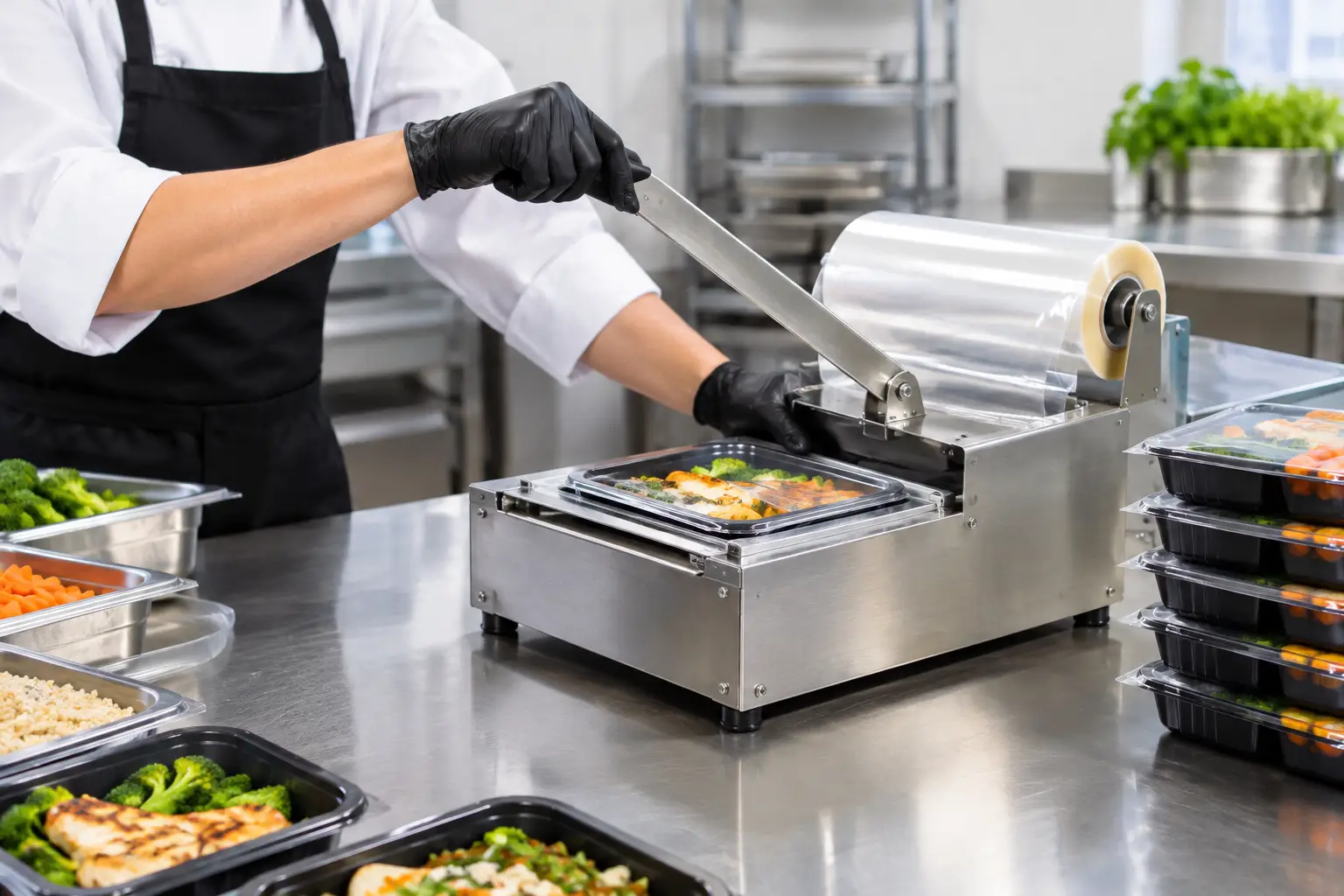
A packing line can lose hours each week in small, repeatable delays: an operator walking across the kitchen for trays, film that does not track correctly, lids that do not match the container, or a sealer waiting for the next loaded tray. Knowing how to improve packaging throughput starts with identifying those delays as a connected system, not isolated inconveniences. SmartPackingUSA helps food businesses match equipment, containers, and sealing materials so the packing station can keep moving with greater consistency.
For meal-prep companies, caterers, commissary kitchens, restaurants, and growing food manufacturers, higher output is not simply about running a machine faster. It is about producing more securely sealed, presentation-ready packages per labor hour while keeping the operation organized and manageable. The right changes reduce rework, prevent supply interruptions, and make peak production periods easier to handle.
Start With the Actual Bottleneck
Before buying equipment or changing a shift schedule, observe the packing line during a busy production run. Time the work from the moment a filled tray reaches the packaging station to the moment the sealed package is placed in a finished-case rack. The slowest recurring step is usually the real constraint.
In many operations, sealing is not the bottleneck. Filling trays unevenly, locating materials, waiting for product to cool to the required handling condition, applying labels, or stacking finished meals can consume more time than the seal cycle itself. Adding a higher-capacity machine without addressing those steps may only move the backlog farther down the line.
Track a few practical numbers for several runs: trays packed per hour, minutes lost to material changes, rejected or reworked packages, and the number of times operators leave their stations. These measurements give managers a useful baseline. They also show whether the best next move is a workflow adjustment, better material staging, added labor at one point in the line, or a new tray sealing solution.
Build a Packaging Station That Keeps Moving
Throughput improves when every item needed for a production run is within reach and presented in the order it is used. Arrange the station so filled containers arrive on one side, the operator loads and seals in the center, and finished packages move directly to labeling, inspection, or cold storage on the other side. Avoid forcing team members to turn, walk, or reach over finished product for basic supplies.
A simple pre-shift staging routine can make a meaningful difference. Confirm that the correct trays, sealing film or foil lids, labels, cleaning supplies, and finished-product racks are ready before production begins. Load enough material for the planned run, while leaving room to work safely and keep different menu items organized.
Batching should support the line rather than create large queues. For example, a meal-prep operation may fill a manageable quantity of the same tray size and menu item, seal that group, then change over in a controlled way. This reduces the confusion that can occur when multiple tray formats, films, and labels are open at the same time. The ideal batch size depends on available space, menu variety, staffing, and how often changeovers are required.
Reduce handoffs and double handling
Every handoff creates an opportunity for delay, mix-ups, or package damage. Where practical, assign clear responsibilities: one person fills and verifies portioning, another seals, and a third labels or packs finished orders during high-volume runs. Smaller operations may have one operator cover multiple tasks, but the station should still follow the same physical flow.
Finished packages need a defined destination. If sealed trays accumulate on the sealer table, the operator eventually pauses to clear space. Use carts, racks, or designated tables that let completed packages leave the sealing area immediately.
Match the Machine, Tray, and Sealing Material
A tray sealer performs best as part of a compatible packaging system. A container that sits incorrectly in the mold, a film that is not suited to the application, or a mismatched lid can lead to seal failures, wasted material, and slower production. These issues are often mistaken for operator error when the root cause is a poor match between components.
Select containers based on the product, portion size, transportation demands, desired presentation, and production method. Food businesses may need plastic, sugarcane, cardboard, CPET, or aluminum containers depending on the application. The sealing material must be selected to work with that specific container and the intended sealing process.
SmartPackingUSA provides complete packaging systems built around the customer’s container dimensions, packaging materials, and operating needs. This coordinated approach helps reduce trial-and-error sourcing, particularly for businesses that need custom containers, branded sealing films, custom molds, or a machine developed around a specific tray format.
Machine capacity should be evaluated realistically. Selected Smart Packing USA tray sealing machine models can produce up to approximately 600 trays per hour with a single operator, depending on tray size, operator workflow, and production conditions. That figure is useful only when the surrounding line can supply filled trays, remove finished packages, and replenish materials without interruptions. For a lower-volume kitchen with frequent menu changes, flexibility and fast setup may matter more than maximum hourly output.
Standardize the Work, Not Just the Equipment
The best equipment cannot compensate for inconsistent work practices. Create a clear operating procedure for each recurring packaging job, including tray placement, fill level, film loading, seal inspection, label application, and end-of-run cleanup. Training should explain not only what to do but what a properly sealed package should look like and when to stop for adjustment.
New operators benefit from an experienced team member during their first production runs. Small variations in loading rhythm, material handling, and station organization can affect output over a full shift. Once the preferred method is established, use it as the standard for every operator rather than allowing each person to create a different process.
A short startup check prevents avoidable downtime. Verify that the machine is clean, the correct mold is installed, the proper tray and sealing material are at the station, controls are set for the current application, and a test seal meets the operation’s visual requirements. This takes far less time than discovering a mismatch after dozens of trays have been produced.
Protect Output With Maintenance and Supply Planning
Packaging throughput drops quickly when a minor issue becomes an unplanned stoppage. Follow the manufacturer’s cleaning and maintenance guidance, and inspect the components that receive the most daily use. Keep the sealing area clean and schedule routine checks before peak production days rather than after a problem appears.
Material availability deserves the same attention as machine maintenance. A busy operation should know how many trays, films, foil lids, and labels are needed for the next production cycle and when to reorder. Ordering too late can force a last-minute substitute that does not fit the existing machine setup or packaging presentation.
For businesses using multiple container sizes, label material storage clearly and separate similar-looking items. The few minutes spent organizing inventory can prevent costly changeover mistakes. It also helps purchasing teams see which formats are driving the highest volume and which may be candidates for consolidation.
Improve Throughput Without Sacrificing Package Quality
Speed that produces poor seals, damaged containers, or inconsistent presentation is not true throughput. Every rejected package uses labor, materials, and time twice. Set a practical quality check at the line, especially after a changeover, a film roll change, or an equipment adjustment. Operators should be able to flag issues quickly before they create a large batch of rework.
There is also a balance between standardization and customer appeal. Consolidating to fewer tray sizes can simplify inventory and improve line speed, but some menus need distinct portion sizes or premium presentation. The right decision depends on sales volume, fulfillment needs, and whether the additional format creates enough value to justify its complexity.
SmartPackingUSA works with growing food and pet food operations that need dependable tray sealing equipment, compatible containers, sealing materials, custom packaging options, training, warranty coverage, and after-sales support. A properly matched system gives your team a clearer path to faster production without treating every packaging day like a workaround.
Begin with one measured production run, fix the largest source of delay, and build from there. Consistent gains usually come from a better-running system, not one dramatic change.
