
Blog
Prepared Meal Packaging Guide for Growing Kitchens

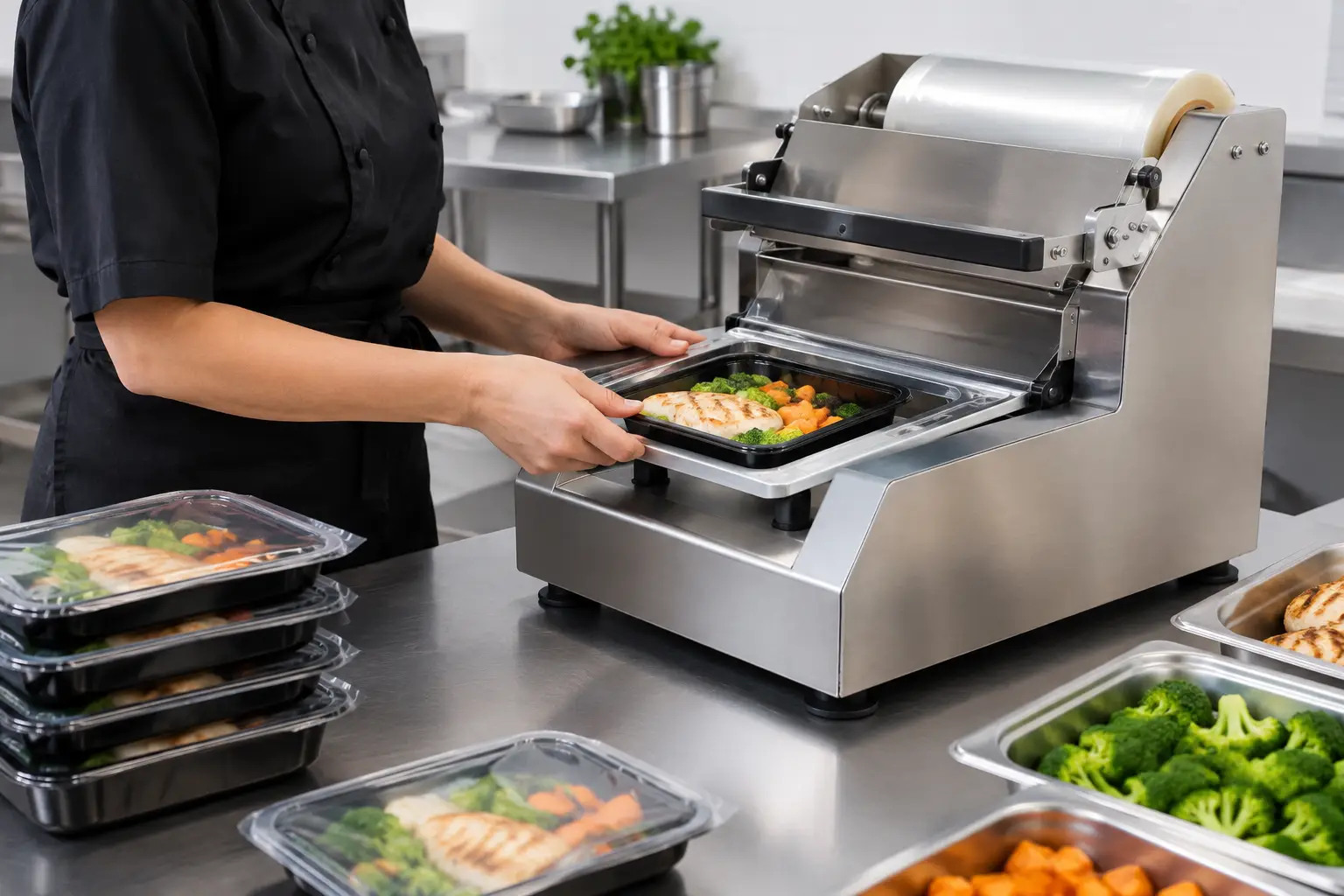
A leaking entree, a wrinkled film seal, or a stack of containers that will not travel cleanly can quickly undermine a well-run meal program. This prepared meal packaging guide focuses on the decisions that affect daily output: tray selection, sealing material, machine fit, workflow, and supply consistency. SmartPackingUSA helps food businesses bring these pieces together as one compatible packaging system rather than a collection of disconnected purchases.
Start With the Meal, Not the Machine
Packaging should fit the product and the way customers receive it. A chilled weekly meal-prep bowl has different needs than a hot catering entree, a grocery-ready family meal, or a pet food portion. Before selecting trays or equipment, document what is being packed, when it is packed, how it is stored, and how far it travels.
Consider portion size, food temperature at packing, sauce volume, protein weight, compartment needs, stacking requirements, and delivery conditions. A shallow tray can present a composed meal well, but it may not provide enough headspace for a saucy dish. A deeper tray protects the portion, yet may require more film and occupy more refrigerated storage space. The right choice is the one that supports the product without adding unnecessary material or slowing the line.
Menu variety matters, too. Operations with one or two standard tray sizes can build a fast, repeatable process. Businesses packing several portion formats may need multiple molds, custom containers, or a machine configuration designed around changing tray dimensions. Standardization usually improves speed, but flexibility can be worth the added complexity when it supports profitable menu options.
Choose the Right Prepared Meal Packaging Components
A secure package is a system. The tray, lid or film, machine settings, product condition, and operator process must work together. Buying a sealer first and sourcing trays later often leads to avoidable fit and seal problems.
Select a tray material for the application
Plastic trays remain a practical choice for many prepared-food operations because they are durable, lightweight, and available in a range of shapes and compartment layouts. They can work well for chilled meals, takeout, delivery, and retail-ready programs when matched with compatible sealing film.
CPET trays are commonly considered for meals that may move between refrigerated storage and reheating conditions. Aluminum containers offer a familiar, sturdy option for certain prepared foods and catering applications. Cardboard, sugarcane, and other fiber-based options can support brands pursuing a different presentation or material profile, but they must be evaluated carefully for rigidity, moisture exposure, and seal compatibility.
No material is automatically best. A wet dish may demand a more protective format than a dry grain bowl. A premium retailer may prioritize a clean shelf appearance, while a delivery-focused kitchen may place greater value on stack strength and leak resistance. Requesting samples and running actual menu items through a trial is more reliable than judging packaging from an empty container.
Match the film or lid to the tray rim
The sealing surface is where packaging performance is won or lost. Film must be compatible with the tray material and rim geometry, and it must perform consistently under the machine’s operating conditions. A clear sealing film can give customers a direct view of the meal and create a polished retail presentation. Foil lids may suit applications where light protection, a different appearance, or specific handling preferences are needed.
Film selection should account for seal strength, peel behavior, clarity, puncture resistance, and the way packages are opened by customers or staff. A seal that is too weak can fail during transport. One that is excessively difficult to open can create a poor customer experience. Test finished packs after refrigeration, stacking, and normal handling, not only immediately after sealing.
Plan for branding before volume grows
A plain tray can still look professional, but branded sealing film and custom packaging give growing meal programs a more consistent identity. Branding is especially useful when meals are stocked in shared refrigerators, sold through local retailers, or delivered alongside competing food concepts.
The practical question is volume. Custom packaging projects generally make more sense when tray sizes, menu formats, and order patterns are stable enough to support repeat purchasing. Early-stage operators may benefit from proving the package format first, then moving to branded films, private-label packaging, or custom containers as demand becomes more predictable.
Build a Sealing Line Around Real Throughput
A packaging machine should be chosen around the actual production schedule, not the busiest hour someone hopes to reach next year. Start with daily tray volume, peak packing window, number of operators, and the number of tray formats used. Then allow for loading meals, placing trays, changing film, quality checks, and cleaning.
For businesses moving beyond hand-applied lids, a tray sealing machine can create a more consistent package appearance and reduce variability between operators. Selected Smart Packing USA tray sealing machine models can produce up to approximately 600 trays per hour with one operator, depending on tray size, operator workflow, and production conditions. That capacity is meaningful only when upstream portioning and downstream staging can keep pace.
A high-output machine will not solve a bottleneck at the scale, cooling rack, label station, or delivery staging area. Map the line from cooked product to packed case. If sealed trays pile up waiting for labels, the issue may be workstation layout rather than machine speed. If operators repeatedly stop to swap tray sizes, a dedicated run schedule may improve output more than adding labor.
Look for practical machine features
Food businesses need equipment that holds up to repetitive commercial use and can be managed by the people actually running the line. Stainless-steel construction supports a professional production environment and routine cleaning. Adjustable controls help operators dial in settings for approved tray and film combinations. A clear mold and container match helps reduce setup uncertainty.
Support is part of the equipment decision. Training, warranty coverage, spare-part planning, and after-sales assistance can matter as much as the machine’s listed specifications when production is on the schedule. For operations with unusual tray dimensions or a specialized pack format, a custom-size machine may be the better investment than trying to force a standard machine to fit an unsuitable container.
Make Packaging Easier to Operate and Inspect
The most efficient package is not simply the one that seals quickly. It is the one operators can load correctly, inspect quickly, stack safely, and hand off with confidence. Establish a defined process for checking the seal area, film alignment, product debris on the tray rim, and package appearance.
Keep tray stacks, film rolls, labels, and finished-pack staging within easy reach. Separate hot production, cooling, packing, and finished product areas according to the needs of your operation. When staff must walk repeatedly to retrieve supplies or make room for completed meals, output drops and inconsistency rises.
Train each operator on the same visual standards. A finished tray should have a clean rim, even film placement, an intact seal, readable labeling, and no product interfering with the sealing area. Document approved machine settings for each tray and film combination. That simple discipline makes shift changes and seasonal staffing easier to manage.
Avoid Common Packaging Mistakes
Many packaging problems begin before a tray reaches the machine. Overfilling leaves too little room for a clean seal and can make meals look compressed. Underfilling can make a premium meal appear poor value. Inconsistent portioning also affects how neatly meals stack and how the final package presents.
Another common mistake is changing one component without testing the full system. A new tray supplier, different film roll, revised recipe, or new sauce can change packaging performance. Conduct a controlled trial with the intended product, storage duration, handling pattern, and distribution conditions before committing to a large run.
Do not treat sealing as a substitute for a documented food handling program. Packaging equipment can support hygienic handling and a more protected finished presentation, but each business remains responsible for following applicable product, process, temperature-control, labeling, and local regulatory requirements.
A Practical Path to a Better Packaging System
Begin with samples of the container formats that fit your menu. Pack representative meals, seal them with the intended material, refrigerate them, stack them, and move them through the same handling conditions customers and drivers will create. Note where the process slows down and where the package appearance changes.
Then select the machine, mold, tray, and film as a matched group. This approach gives growing kitchens clearer operating standards, more reliable supply planning, and a packaging format that can scale with demand. A thoughtful equipment and sample review before purchase can prevent costly changes after production is already underway.
