Blog
How US Packaging Equipment Suppliers Support Growth

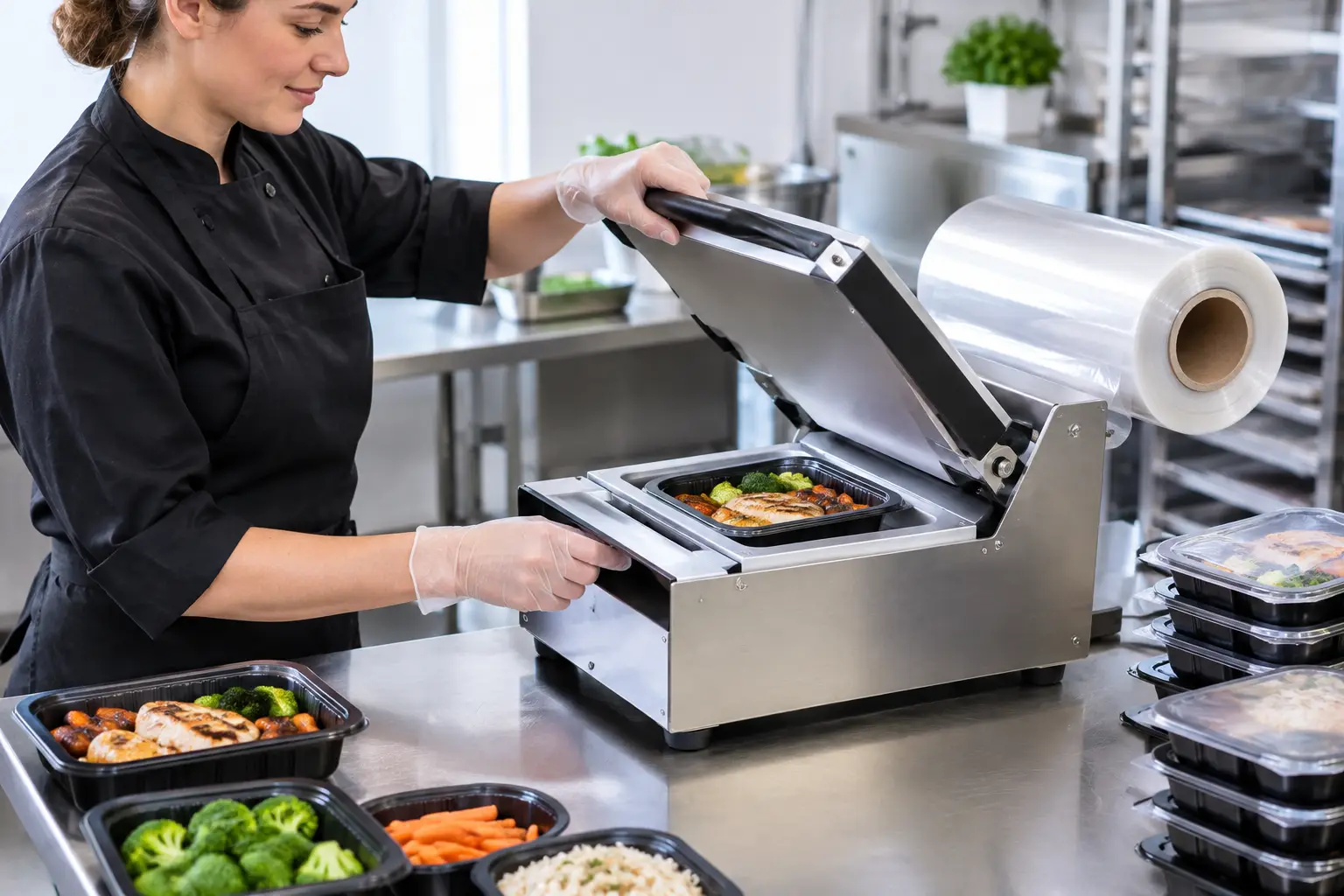
A meal-prep kitchen can lose time and product value at the packing table long before food reaches a customer. Loose lids, mismatched film, inconsistent seals, and a machine that cannot keep pace with production all create avoidable friction. That is why evaluating US packaging equipment suppliers should begin with the complete packaging process, not with a machine specification alone. SmartPackingUSA helps food businesses match equipment, trays, lids, and sealing materials so the final package supports efficient daily operations.
Start With the Packaging Application
The right equipment depends on what is being packed, how it travels, and how many units must be completed in a shift. A caterer preparing several hundred identical meals has different needs than a grocery commissary handling multiple tray sizes throughout the day. Pet food producers may also need a dependable process for trays or containers that protects presentation and helps keep packaging consistent from batch to batch.
Before requesting quotes, define the practical details of the job: container dimensions, compartment layout, food temperature at packing, packaging material, daily volume, and available counter or production-floor space. Consider whether the operation needs plastic, sugarcane, cardboard, CPET, or aluminum containers. Each material can affect the tray, lid, and sealing-film combination required.
This information gives a supplier a working brief. It also prevents a common purchasing mistake: selecting a machine first and trying to force available containers and films to work with it later. A complete system should be built around the application, not assembled from unrelated components.
What to Look for in US Packaging Equipment Suppliers
Equipment output matters, but it is only one part of a reliable buying decision. Suppliers should be able to explain how a machine performs within an actual operator workflow, not just describe a theoretical capability. For example, selected tray sealing machine models from Smart Packing USA can reach approximately 600 trays per hour with one operator, depending on tray size, production conditions, and how efficiently the station is organized.
Ask how the equipment accommodates your trays and sealing materials. A secure, consistent seal depends on compatible tooling, correct film, and settings suited to the container. When these pieces are sourced separately without confirmation of compatibility, kitchens can experience waste, failed seals, and delays while they troubleshoot a line that should be packing food.
A capable supplier should also discuss controls, changeover needs, cleaning access, and construction suited to a commercial setting. Packaging equipment is handled repeatedly during busy production windows. Operators need a process that is understandable, practical to maintain, and repeatable across shifts.
Output Should Match the Real Bottleneck
A higher-capacity machine is not automatically the better investment. If filling food into trays is slow, if labeling is handled one unit at a time, or if packed meals back up while waiting for delivery routing, more sealing speed alone may not raise total throughput.
Look at the full sequence: filling, sealing, labeling, staging, and dispatch. The best fit is the machine that supports the pace of the entire operation while leaving room for growth. A smaller restaurant may prioritize a compact and dependable setup. A regional meal-prep business may need tooling and workflow planning that can support higher volumes as accounts expand.
Material Compatibility Is Operational Protection
Food businesses increasingly package meals in a mix of formats, including plastic trays for everyday service and paper or bagasse options for brands pursuing different presentation or material goals. The material choice should be confirmed before equipment is selected, especially when a business uses compartment trays, nonstandard dimensions, or several menu formats.
Containers, lids, and films should work together by design. A supplier that can provide the complete packaging system reduces the burden on procurement teams and helps create more predictable ordering. It also gives operations one knowledgeable point of contact when a new tray format, branded film, or custom project is being planned.
Choose a Supplier That Can Support Custom Requirements
Standard equipment works well when trays and production requirements are standard. Many growing food businesses are not operating under standard conditions. A meal-delivery brand may need a tray that reflects its portioning program. A food manufacturer may need tooling based on an existing container. A pet treat business may need packaging that presents products consistently on retail shelves.
Custom machine development and custom molds become valuable when container dimensions, seal areas, or production needs cannot be served by an off-the-shelf approach. The goal is not customization for its own sake. It is to create a packaging process that fits the product and avoids costly workarounds at the packing station.
Smart Packing USA works with customers on custom-size machines and packaging projects based on container dimensions, materials, production needs, and specific operating requirements. Product samples are useful at this stage. Testing the actual tray, lid, and film combination gives decision-makers a clearer view of fit, appearance, and handling before committing to a larger order.
Service After Delivery Is Part of the Equipment Decision
A machine purchase is the beginning of an operating relationship. Food production does not pause because an operator has a question about setup or because a business needs to reorder compatible packaging. For that reason, support should carry real weight when comparing suppliers.
Ask what happens after delivery. Does the supplier provide training for the team? Is warranty coverage clearly explained? Can they assist with packaging replenishment, replacement needs, and future format changes? These questions are particularly relevant for kitchens that do not have a dedicated maintenance department or packaging engineer on staff.
A hands-on supplier can reduce the learning curve for new equipment and help managers standardize packing procedures. That supports cleaner handoffs between shifts, more consistent package presentation, and less dependence on individual operator habits. It also makes expansion easier when a business adds locations, menu lines, or wholesale accounts.
Build the Purchase Around Total Packaging Cost
The lowest machine price can become expensive when it requires hard-to-source materials, causes unnecessary packaging waste, or creates extra labor. A more useful evaluation considers the combined cost of equipment, compatible containers, lids or films, operator time, training, and supply continuity.
This is where an integrated provider offers a practical advantage. Instead of coordinating one company for equipment, another for trays, and a third for film, buyers can develop a matched system. SmartPackingUSA provides tray sealing machines along with food containers, sealing films, foil lids, custom containers, branded sealing films, and complete packaging systems. That approach can simplify purchasing while keeping compatibility at the center of the decision.
For businesses selling prepared meals, presentation is part of the product. A clean, consistent seal helps packages look organized in refrigerated displays, delivery bags, catering setups, and customer pickup areas. It can also help reduce the risk of messy handling during transport when the right container and sealing material are selected for the application.
Questions Worth Asking Before You Buy
The strongest supplier conversations are specific. Share your anticipated daily volume and ask how that translates into operator workflow rather than relying only on an hourly figure. Provide samples or dimensions of current containers, and ask whether a compatible tray, lid, and film system is available. If you plan to change formats seasonally or introduce branded packaging, discuss that early instead of treating it as a future problem.
Also ask about installation expectations, training, warranty coverage, lead times for repeat packaging orders, and the process for custom tooling or machine development. The answers reveal whether the supplier is prepared to support an ongoing operation or simply ship equipment.
For restaurant groups, commissaries, caterers, meal-prep companies, food manufacturers, and pet food businesses, packaging should be a controlled production step rather than a daily source of uncertainty. Smart Packing USA can help assess your containers, production goals, and packaging materials to build a system that fits the work in front of your team. Start with the package your customer needs to receive, then choose the equipment and support that make producing it consistently a practical part of every shift.
