Blog
How a US Packaging System Supplier Supports Growth

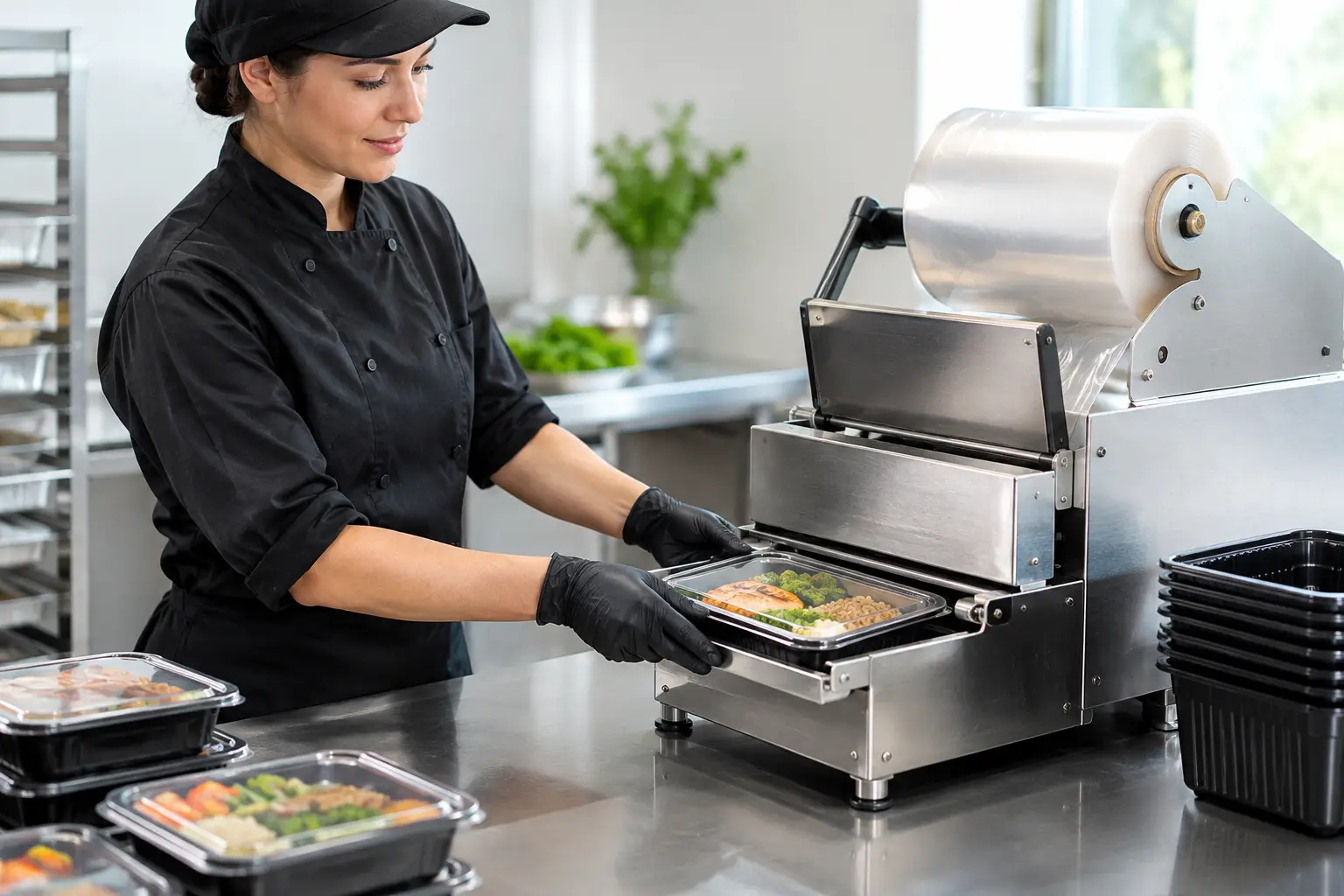
A busy meal-prep line can lose time at every handoff: a tray that does not fit the machine, film that fails to seal consistently, lids that complicate stacking, or a supplier that cannot support the next larger order. The right US packaging system supplier solves those connected problems as one operating system. SmartPackingUSA helps food businesses align equipment, containers, sealing materials, and support around the way they actually produce and deliver food.
For restaurant groups, commissary kitchens, caterers, grocery programs, food manufacturers, and pet food operations, packaging is not a final detail. It determines how quickly orders leave the production line, how professionally meals arrive, and how confidently teams can repeat the same process tomorrow.
What a Complete Packaging System Should Include
Buying a tray sealer by itself can appear straightforward. The real question is whether the machine, tray, lid or film, product, and workflow work together. A complete system is built around compatibility from the start.
For many prepared-food operations, that starts with a tray sealing machine matched to the selected container dimensions and material. The tray may be plastic, sugarcane fiber, cardboard, CPET, or aluminum. The closure may be a sealing film, foil lid, or another application-specific option. Each choice affects machine setup, finished appearance, transport durability, and purchasing continuity.
A packaging partner should also account for the food being packed. Saucy entrées, refrigerated meal plans, hot prepared foods, bakery items, pet treats, and pet food products do not all place the same demands on the container and seal. The goal is not to select the most complicated setup. It is to select a dependable combination that supports the product and the production floor.
Compatibility prevents expensive workarounds
When components are sourced separately, small mismatches can create recurring delays. A container may sit poorly in a mold. A film may not suit the tray rim. A new tray order may have slightly different dimensions than the prior batch. Operators then spend time adjusting, checking, or reworking packages instead of keeping orders moving.
SmartPackingUSA approaches packaging as a matched system. Machine recommendations, containers, films, foil lids, and custom molds can be evaluated together. That creates a clearer path from sample testing to day-to-day use, especially for businesses moving from hand-packed takeout containers to a more controlled sealing process.
Choose Output for Your Real Production Window
Machine capacity matters, but capacity numbers only become useful when they are connected to the actual workflow. A kitchen that packs 250 meals across several hours has different equipment needs than a facility packing the same volume in a short afternoon production run.
Selected SmartPackingUSA tray sealing machine models can produce up to approximately 600 trays per hour with one operator. Actual output depends on tray size, operator workflow, product handling, and production conditions. That distinction matters. The best equipment decision is based on the pace your team can sustain, not a headline number viewed in isolation.
Consider when packaging happens, how many SKUs are produced, whether trays change during a run, and how much staging space is available. Also consider the downstream work: labeling, boxing, cold storage, pickup, or delivery dispatch. A fast sealer cannot fix a bottleneck created by an unorganized packing table or insufficient finished-goods space.
Plan for growth without buying beyond your needs
Growing operations often face a difficult balance. Under-sizing equipment can force a second purchase sooner than expected. Over-sizing equipment can add cost and complexity before the business has the volume or labor structure to benefit from it.
A practical choice leaves room for expected growth while fitting the current operation. For example, a meal-prep company adding new weekly subscribers may need faster, more consistent sealing before it needs a fully automated line. A regional food manufacturer may need custom container sizing or higher repeatability across shifts. The right answer depends on volume, available labor, product range, and the level of standardization the business wants to achieve.
Materials Should Match the Product and Brand
Food packaging has to perform in transit, on a retail shelf, in a customer refrigerator, or at reheating time. It also represents the brand before the customer tastes the product. A wrinkled seal, poorly fitted lid, or inconsistent container shape can make a carefully prepared meal look less reliable.
Plastic trays can be a practical fit for many prepared-food applications. Sugarcane and cardboard options may suit businesses pursuing fiber-based presentation or particular customer preferences. CPET and aluminum containers can support applications where those material characteristics fit the product and intended use. The right material depends on the menu, handling process, visual goals, and selected sealing method.
SmartPackingUSA can help businesses evaluate containers alongside sealing films and foil lids rather than treating each item as an unrelated purchase. That is particularly valuable when presentation, stackability, and repeat ordering all matter.
Branded packaging is a working asset
For delivery brands, meal-prep companies, and retail-ready food programs, packaging is part of the customer experience. Custom containers and branded sealing films can create a more recognizable finished product while keeping the packing process consistent.
Customization should serve operations as well as marketing. A custom tray shape or printed film must still work reliably with the machine, production pace, and storage plan. Before moving into a larger order, request product samples and confirm that the package performs with your actual food, not only with an empty container on a tabletop.
What to Ask a US Packaging System Supplier Before Ordering
A useful supplier conversation goes beyond machine dimensions and container pricing. The best questions uncover whether the supplier understands the production environment and can support the system after delivery.
Ask how the machine will be matched to your tray dimensions and packaging materials. Ask whether custom machine development or custom molds are available if your existing container does not fit a standard setup. Confirm the expected workflow, cleaning considerations, training process, warranty coverage, and available after-sales support.
It is also wise to discuss supply planning. A strong system depends on continued access to compatible containers, film, and lids. If a food business builds its menu and production schedule around a tray format, it needs confidence that future orders can follow the same specification.
For purchasing teams, this approach reduces the risk of fragmented buying. Instead of coordinating one vendor for equipment, another for trays, and another for film, they can evaluate a complete package built for the same application. That can simplify communication when product needs change or packaging volumes increase.
Build the System Around the Production Floor
The best packaging system is practical enough for daily use by the team you already have. It should support orderly workstations, consistent seals, efficient handoffs, and a finished package that represents the food inside it well.
Start with the product and work backward. Define the tray size, portion format, packaging volume, material preference, storage and transport needs, and desired presentation. Then select the machine and sealing material that fit those requirements. If the application calls for a custom size, custom mold, or branded packaging, address that early rather than trying to adapt after installation.
SmartPackingUSA works with U.S. food businesses to develop complete packaging systems that are built around production needs, from tray sealing equipment and compatible consumables to samples, training, warranty coverage, and ongoing support. Whether you package prepared meals, catered food, grocery items, or pet food products, a quote conversation should begin with how your line operates today and where you need it to go next.
A dependable package gives your team one less variable to manage during a demanding production day. Bring a sample of the food, a clear picture of the desired finished package, and realistic volume expectations to the conversation. That is how a packaging purchase becomes a system that keeps earning its place on the line.
