

Blog
Best Containers for Prepared Meals at Scale

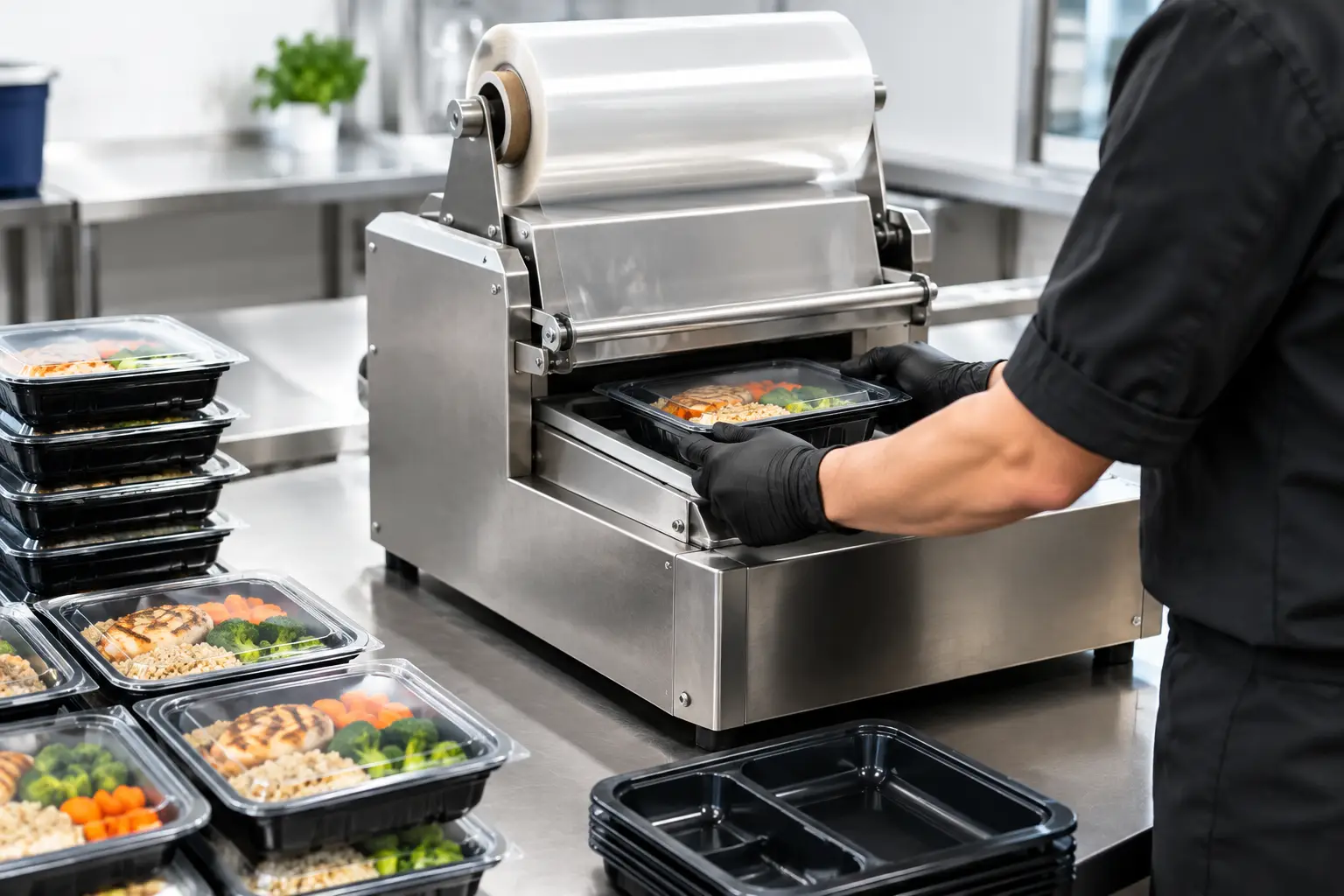
A prepared meal can leave the kitchen looking perfect and still arrive with sauce in the delivery bag, a warped lid, or a presentation that does not reflect the quality of the food. The best containers for prepared meals are not chosen by appearance alone. They must match the menu, delivery method, production volume, and sealing process. SmartPackingUSA helps food businesses build complete packaging systems around those real operating conditions.
Start With the Meal, Not the Container
Container selection begins with what goes inside. A cold salad, a sauced pasta entrée, a frozen family meal, and a hot protein-and-sides bowl place very different demands on packaging. The right format protects portion integrity while giving customers a clean, consistent experience at pickup, on a delivery route, or in a retail display.
For meal-prep operators, compartment design is often the first decision. Separate sections can keep proteins, grains, vegetables, and sauces organized, reducing movement during transport and improving the customer’s first impression. Single-compartment trays may be a better fit for mixed meals, pastas, curries, soups, or dishes where separation is unnecessary.
Portion size matters just as much. Oversized packaging makes a meal look underfilled and can allow food to shift. A container that is too shallow can interfere with sealing or compress toppings. Before placing a bulk order, confirm the filled weight, food height, headspace, and how the product looks after the lid or film is applied.
Choose Materials That Fit Your Operation
There is no single best material for every prepared-food program. The right choice depends on temperature requirements, desired presentation, brand positioning, and how the package will be sealed.
Plastic containers are widely used for meal prep, takeout, deli foods, and delivery because they offer visibility, practical portion options, and a familiar customer experience. They can work well for businesses that need a dependable, scalable format across several menu items.
CPET trays are commonly considered for prepared meals that may move through heating or freezing processes, depending on the specific tray and application. Their rigid presentation makes them a strong option for retail-ready meals and more structured food programs. Aluminum containers can provide a clean, professional format for catering, baked foods, and prepared entrées where durability and heat-oriented applications are part of the workflow.
Paperboard and sugarcane containers support businesses seeking fiber-based packaging options. They can be an attractive fit for salads, bowls, sides, and selected hot-food applications, but performance depends on the container construction and the food being packed. Saucy or high-moisture meals require careful testing to ensure the chosen format performs as expected through filling, sealing, holding, and transport.
The practical question is not which material is best in general. It is which material supports your menu and production line without creating extra handling, leaks, or supply complications.
Best Containers for Prepared Meals Need Reliable Closures
A strong tray is only part of the package. The closure determines whether the meal stays protected through stacking, refrigeration, delivery, and customer handling. Snap-on lids can be appropriate for many food-service applications, particularly when flexibility and quick packing are priorities. For operations packing a high volume of meals, tray sealing can create a more consistent, professional finish.
A sealed film or foil lid can help reduce the variables that come with manually fitting individual lids. It also gives meal-prep businesses a cleaner front-facing package for labels, branding, and retail presentation. The seal must be matched to the exact tray material, rim design, film structure, and machine settings. A film that looks similar is not automatically compatible.
This is where fragmented sourcing often creates problems. Buying trays from one vendor, film from another, and equipment from a third can lead to inconsistent seals, wasted material, and slow troubleshooting. SmartPackingUSA approaches the project as a complete system, matching containers, sealing material, and tray sealing equipment to the intended application.
Match the Container to Production Speed
A container that works for a small catering order may not work for hundreds of meals per shift. As output grows, packaging choices should reduce unnecessary touches and keep the line moving. Consistent tray dimensions, reliable nesting, predictable filling space, and compatible sealing materials all affect daily throughput.
For a restaurant group or commissary kitchen, standardizing around a small number of tray sizes can simplify purchasing, storage, staff training, and production planning. That does not mean every meal must use the same container. It means each chosen format should have a clear purpose and fit the same packaging workflow where possible.
Tray sealing equipment becomes especially valuable when presentation and volume both matter. Selected SmartPackingUSA tray sealing machine models can achieve output of up to approximately 600 trays per hour with one operator, depending on tray size, operator workflow, and production conditions. The right machine should be sized around realistic demand, not only a peak-hour target.
A growing operation should also consider sanitation and durability. Stainless-steel construction, accessible working surfaces, adjustable operating controls, and practical changeover requirements all influence how well equipment fits into a commercial kitchen or production environment. A machine that is difficult to clean or cumbersome to set up can erase the efficiency gained from faster sealing.
Test for the Problems That Actually Cost You Money
The best container choice is proven on your food, not assumed from a catalog image. Product testing should reflect your real workflow: fill the tray at normal portion size, apply the selected closure, stack it, hold it under expected conditions, and simulate the way it will be transported.
Look closely at the rim after sealing, particularly around corners and compartment transitions. Check whether sauces migrate, whether oils affect the package appearance, and whether the tray remains stable when lifted from the bottom. Test meals after they have been refrigerated or held for the same period customers experience.
Presentation deserves the same attention. Clear, well-proportioned packaging supports perceived value, while a wrinkled film, loose lid, or poorly fitted tray can make a carefully prepared meal appear rushed. For retail programs, confirm that labels have a clean placement area and that the package faces well in a cooler or display case.
Samples are useful because they turn a purchasing decision into an operational test. They also help kitchen teams identify issues before committing to large-volume packaging inventory.
Plan for Branding and Menu Expansion
Prepared-meal packaging is a customer touchpoint. A consistent tray shape, clean seal, branded film, or professionally applied label can help a local meal-prep company look established and dependable. Packaging should support the food without distracting from it.
Custom containers, custom molds, and branded sealing films can make sense when a business has stable volume, a defined product range, and a clear reason to differentiate. They are not necessary for every operation. Standard formats may be the smarter starting point for a new menu, seasonal offering, or business still refining portions.
Think ahead before selecting a packaging platform. If you expect to add family meals, premium entrées, pet food, or retail-ready products, choose a supplier that can support additional container formats and compatible sealing options as the line expands. This protects your investment in equipment and reduces the need to redesign the process every time the menu changes.
Build a Complete Packaging System
The best results come from treating packaging as one connected production system. The tray, lid or film, sealing machine, product portion, labeling process, and packing station all need to work together. When one piece is mismatched, the impact shows up as slower labor, inconsistent presentation, material waste, or customer complaints.
SmartPackingUSA supplies trays in plastic, sugarcane, cardboard, CPET, and aluminum, along with sealing films, foil lids, custom packaging, and tray sealing machines. For businesses with nonstandard container dimensions or specialized output requirements, custom-size machine development can provide a more practical fit than forcing the operation into an off-the-shelf format.
The right partner should also remain available after the equipment is delivered. Training, warranty coverage, product samples, bulk-order support, and guidance on machine-container-film compatibility help operations keep moving when production demands increase.
Before your next packaging order, put one complete meal through the same path it takes to reach the customer. The container that performs well at the prep table, on the sealing station, in the cooler, and at the customer’s door is the one worth standardizing.
