Blog
Commercial Kitchen Packaging Solutions That Scale

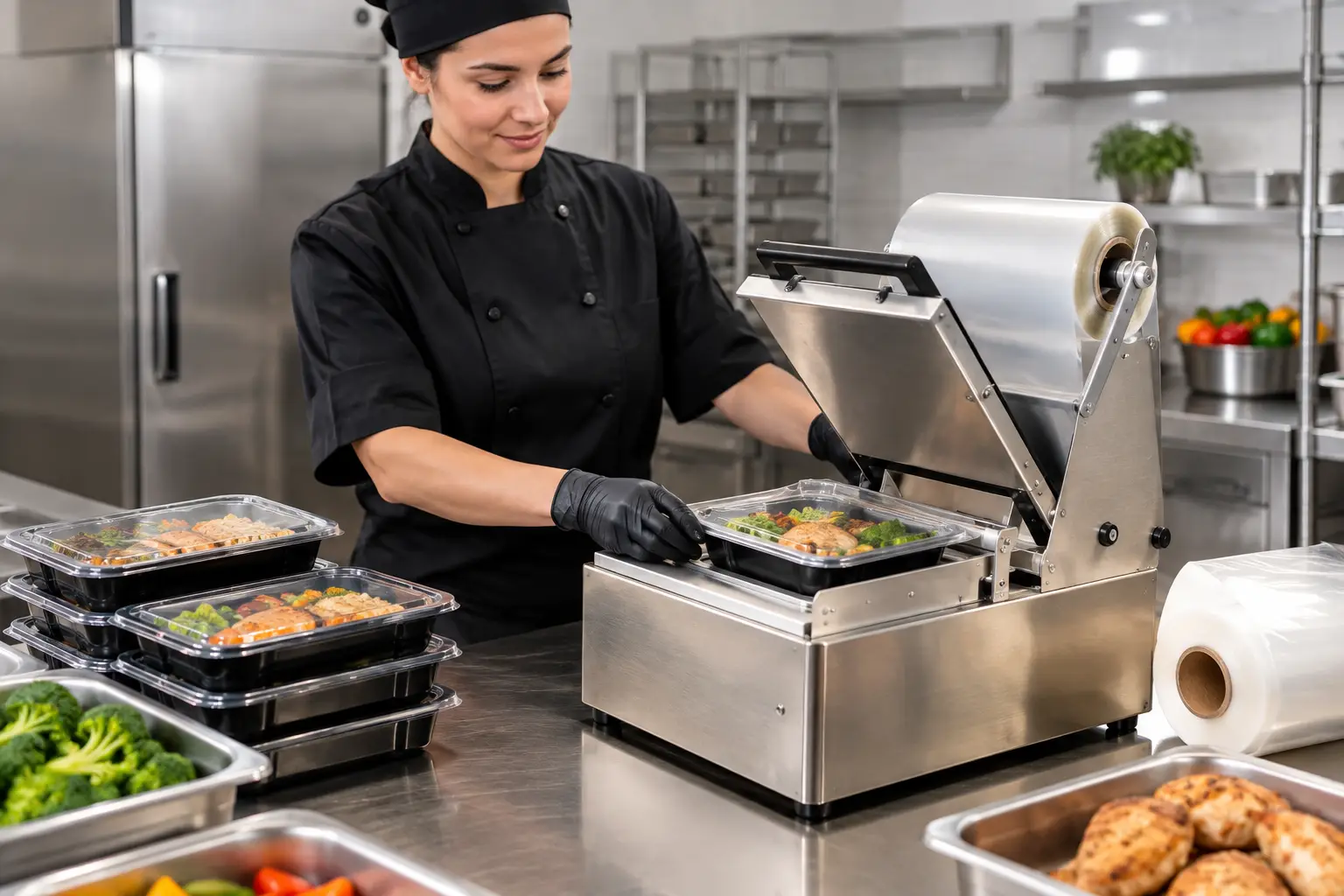
A lunch rush can expose every weak point in a packaging process. Trays run out, lids do not fit, seals wrinkle, and finished meals stack poorly for delivery. Commercial kitchen packaging solutions should prevent those problems by bringing the equipment, containers, and sealing materials into one reliable system. SmartPackingUSA helps food businesses build that system around the meals they produce, the volumes they need to handle, and the presentation their customers expect.
For a meal-prep company, caterer, ghost kitchen, grocery prepared-food department, or food manufacturer, packaging is not the last step in production. It is part of production. The right setup helps teams move meals from the line to cold storage, retail display, pickup, or delivery with greater consistency and less rework.
Start With the Meal, Not the Machine
A tray sealing machine is central to many commercial packaging operations, but it should not be selected in isolation. The food product, portion size, tray profile, storage conditions, and distribution method all affect the right packaging choice.
Start by looking at what happens to a meal after it leaves the kitchen. A chilled meal headed to a retail cooler has different needs than a hot entrée prepared for immediate delivery. Sauced foods, oily foods, salads, proteins, side dishes, and pet food products can also place different demands on the container and seal. The goal is to choose packaging that fits the product and holds up through normal handling without creating unnecessary complexity for the packing team.
Container material is one of the first decisions. Plastic trays can be a practical choice for many prepared-food applications. CPET and aluminum containers may suit operations with specific temperature or presentation requirements. Sugarcane and cardboard options can support businesses seeking fiber-based packaging formats. The best material depends on the application, so sample testing is a practical step before placing a bulk order.
The container, film or foil lid, and machine must work together. A well-made tray paired with an incompatible sealing material can still create inconsistent results. Working with one packaging partner helps reduce that risk because every component can be matched before production begins.
What Complete Commercial Kitchen Packaging Solutions Include
Buying trays from one supplier, film from another, and equipment from a third can create avoidable problems. A film roll may not match the tray flange. A lid may not sit correctly on a custom container. When an issue appears, the kitchen is left coordinating several vendors while service slows down.
A complete packaging system brings the main components together:
- A tray sealing machine selected for the required tray dimensions and workflow.
- Containers in plastic, sugarcane, cardboard, CPET, or aluminum formats.
- Compatible sealing films or foil lids designed for the selected container.
- Custom containers, molds, or branded sealing films when the operation needs a distinct package.
- Setup guidance, training, warranty coverage, and after-sales support.
This approach is especially valuable for growing operations. A kitchen may begin with a standard tray format, then add portion sizes, retail SKUs, or branded packaging as demand increases. Planning for that growth early can help avoid a costly packaging change later.
Match Production Speed to the Real Workflow
Machine output matters, but it is only one part of throughput. A fast machine cannot solve delays caused by slow tray loading, disorganized ingredient staging, or finished meals waiting for labeling and boxing. The best equipment choice considers the entire production line.
SmartPackingUSA works with customers to match tray sealing equipment to their container dimensions, packaging materials, production requirements, and operating conditions. Selected machine models can achieve production capacities of up to approximately 600 trays per hour with a single operator, depending on tray size, operator workflow, and production conditions.
That distinction matters. A business packing several hundred identical meals in a scheduled production run may benefit from a higher-output setup. A caterer producing varied menu items in smaller batches may prioritize flexibility, quick adjustments, and a compact footprint instead. Neither approach is automatically better. The right choice is the one that supports the kitchen’s actual pace without adding bottlenecks.
When evaluating a tray sealing machine, ask practical questions. How many meals are packed during a typical shift? How many tray sizes will be used? Will the operator seal one item repeatedly or switch between menu formats? Is the packaging station positioned near the cold line, cooking line, or dispatch area? Answers to these questions guide a more useful equipment recommendation than capacity alone.
Build Consistency Into Every Packaged Meal
Customers notice packaging before they taste the food. A clean, evenly sealed tray helps a prepared meal look organized and professional on a store shelf, in a delivery bag, or at a catering pickup table. Consistency also makes life easier for staff because the same containers stack, label, and pack more predictably.
Secure seals can help reduce leaks and spills during normal transport, particularly for meals with sauces or juices. They can also support cleaner handling during packing, storage, and order fulfillment. However, operators should still evaluate each food and package combination through real production testing. Product temperature, fill level, tray cleanliness around the sealing area, and staff procedures all influence sealing results.
A dependable process usually includes clear fill levels, organized tray staging, and routine inspection of finished packages. Train staff to watch for food on the tray flange, uneven product placement, or damaged containers before sealing. Small habits at the line can prevent a larger number of rejected packages after the rush begins.
Use Custom Packaging When Standard Sizes Limit Growth
Standard packaging works well for many menus, but it is not always the best long-term fit. A signature meal may need a specific portion layout. A retail product may need a container that presents ingredients more clearly. A brand serving several locations may want packaging that looks consistent across every market.
Custom packaging can address those needs through custom container dimensions, custom molds, and branded sealing films. Custom machine development can also be considered when a business has unique container requirements that standard equipment does not address.
Customization should be driven by a business case, not just appearance. It makes sense when it can improve portion organization, reduce wasted space, support a stronger presentation, or make a high-volume process easier to repeat. It may not be necessary for a new operation still refining its menu. In that case, proven standard containers and compatible sealing materials can provide a more practical starting point.
Choose a Partner That Supports the Full Buying Journey
Packaging equipment is a production purchase, not a one-time box of supplies. The right provider should help before, during, and after the decision. That includes reviewing the application, supplying product samples when appropriate, confirming compatibility, supporting bulk orders, and providing training and warranty coverage.
SmartPackingUSA provides tray sealing machines, containers, sealing films, foil lids, and complete packaging systems for food businesses across the United States. The team also supports private-label packaging and custom projects for operators that need a solution built around their own product and brand requirements.
Before making a purchase, prepare a short operational brief. Include tray dimensions if they are known, food types, expected daily or weekly volume, desired packaging materials, available workspace, and any plans for retail distribution or branded presentation. This information helps turn a general equipment inquiry into a packaging system that is ready for the production floor.
The best packaging setup is the one your staff can run confidently during the busiest hour of the day. Start with the meals you make, test the complete package, and choose components that let your operation move forward with fewer compromises.
